

Mesothelioma Statute of Limitations
A mesothelioma diagnosis often comes decades after asbestos exposure. By the time symptoms appear, many people don’t realize how little time they have to take legal action. The statute of limitations, essentially a filing deadline, sets a narrow window for victims and their families to pursue compensation for medical costs, lost income, pain, and suffering.
Every state enforces its own statute of limitations on asbestos claims. These timeframes typically range from one to three years after a diagnosis or after a loved one’s death from mesothelioma. Missing this deadline can potentially close the door to justice, but there are options. Consulting with an experienced mesothelioma attorney is your best bet.
At The Gori Law Firm, our mesothelioma attorneys help victims act quickly to protect their rights.
- The statute of limitations for mesothelioma cases typically ranges from one to three years after a diagnosis or death.
- Each state sets its own timeframe for asbestos-related claims.
- Early legal action helps preserve evidence and strengthen the case.
- Experienced mesothelioma lawyers can help identify the correct filing state and ensure compliance with deadlines.
- Failing to meet the statute of limitations can result in the loss of the right to compensation.
What Is the Statute of Limitations on Asbestos Claims?
A statute of limitations defines the time frame within which a person must file a lawsuit after an event occurs. In asbestos and mesothelioma cases, this period begins once a person receives a diagnosis or, for families, after the death of a loved one.
Though there are exceptions, individuals may not be able to file a mesothelioma lawsuit after the statute of limitations has passed.
Each state has its own filing deadline. For example, California gives one year from the date of diagnosis, while states like Illinois and Missouri typically allow up to two or three years. Some states also apply different rules depending on whether the claim involves personal injury or wrongful death.
Understanding where and when to file is just as important as the claim itself. Speaking with an experienced attorney early can help ensure all filing requirements are met and prevent missed deadlines. The Gori Law Firm provides detailed guidance on how mesothelioma statutes of limitations differ from state to state, helping victims and families understand their legal options.
Contact Us Today
Get your free case review 24 hours a day.
Fields marked with an * are required
Is My Mesothelioma Claim Within the Statute of Limitations?
Each case depends on specific details, including when symptoms appeared, where the exposure occurred, and the type of claim being filed.
Since many mesothelioma cases involve exposure that took place across different states, identifying the correct jurisdiction often determines the applicable statute of limitations. An attorney experienced in asbestos litigation can evaluate an individual’s exposure history, work locations, and product sources to choose the most favorable venue.
Why Begin the Mesothelioma Lawsuit Process Early?
Time can work against those facing a mesothelioma diagnosis. Evidence may fade. Witnesses may become unavailable. The sooner a claim is initiated, the stronger the chance of success.
Early action also provides families with more financial support when it’s most needed. Medical treatment, travel, and household expenses can quickly add up. Filing a claim early enables the legal team to preserve records, identify all responsible parties, and submit all necessary paperwork before the deadline closes.
Acting now protects your right to compensation.
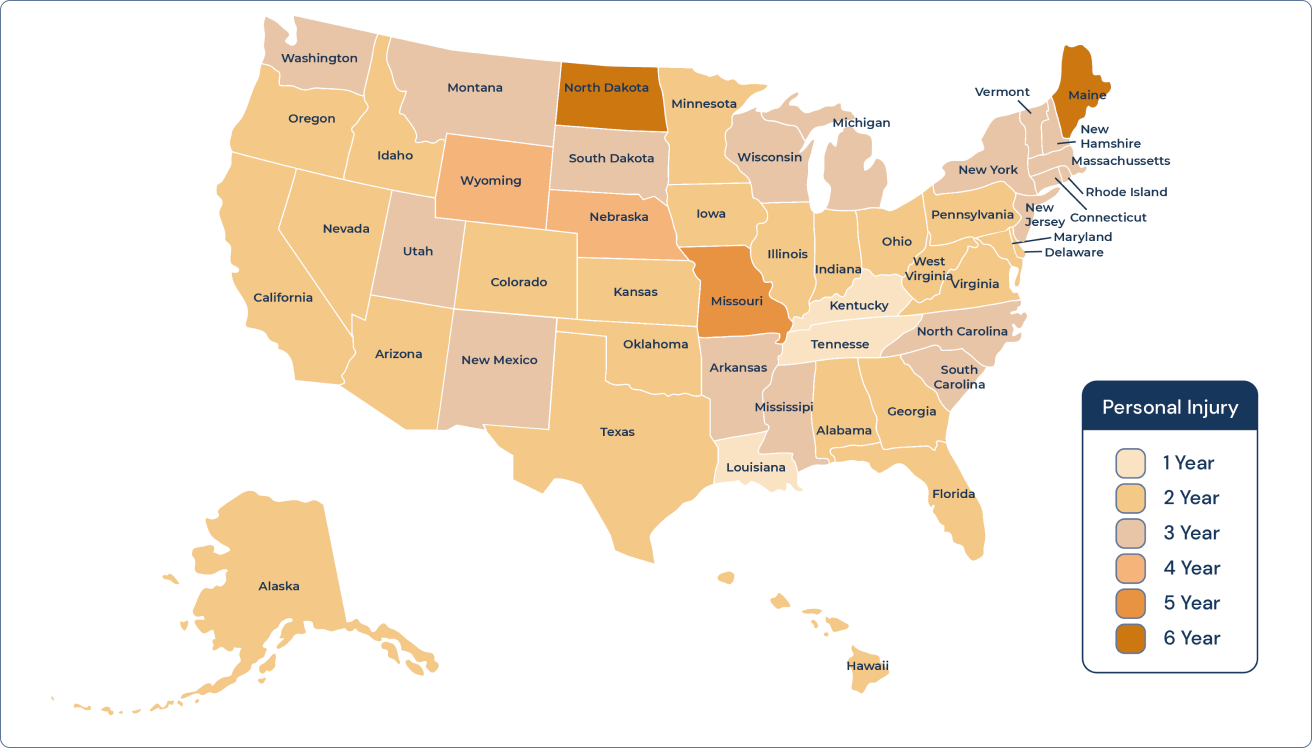
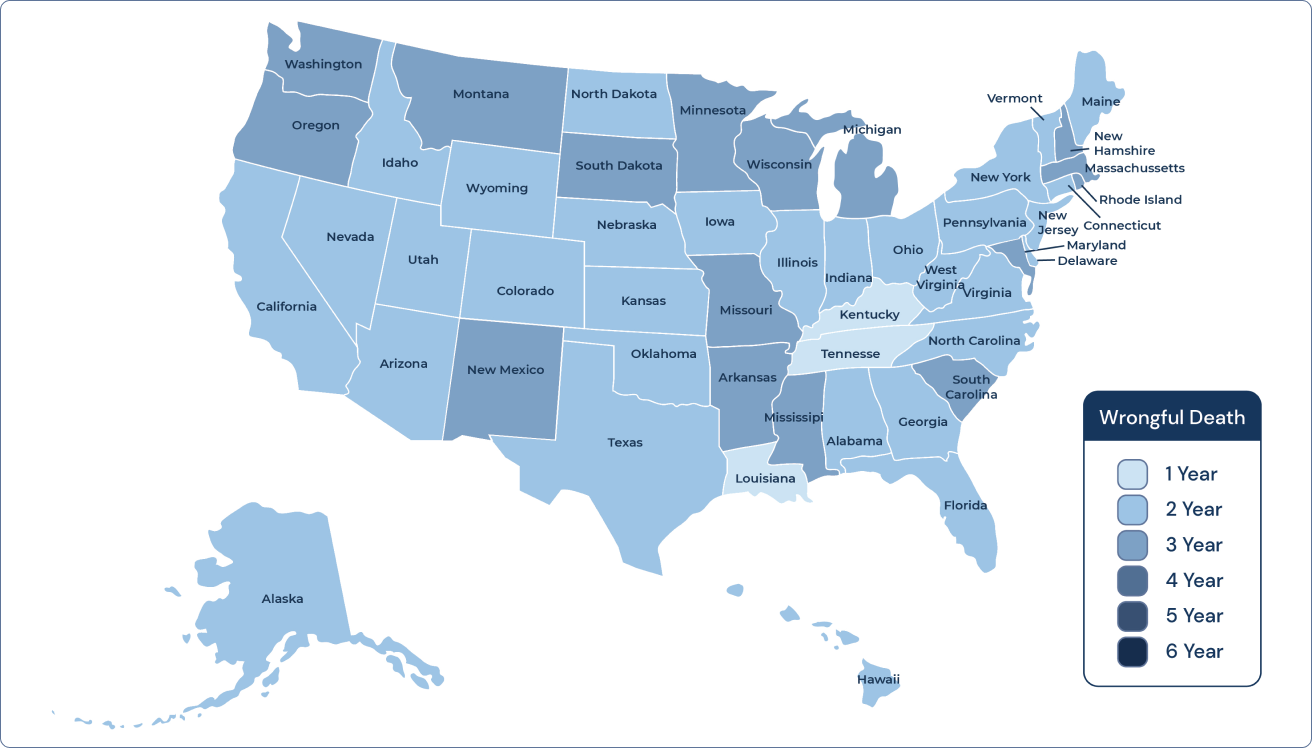
Factors That Affect the Statute of Limitations for Asbestos Claims
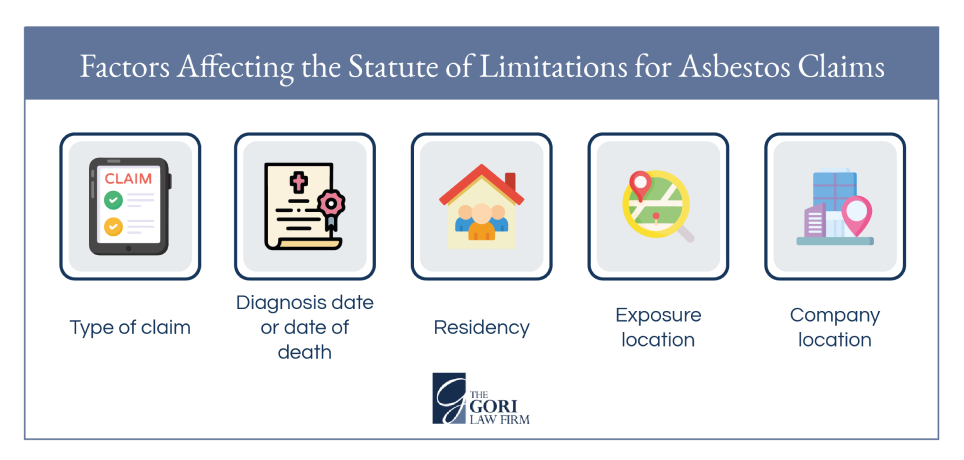
Several factors determine how much time a person has to file an asbestos lawsuit:
- Date of diagnosis: Most states start the clock when a person is diagnosed with mesothelioma or another asbestos-related disease.
- Date of death: For wrongful death claims, the period begins on the date of death.
- Type of claim: Personal injury, wrongful death, and product liability cases each carry separate timeframes.
- Location of exposure: The state where exposure occurred often decides which statute applies.
- Discovery rule: In some cases, the statute begins only when the person reasonably discovers the illness’s connection to asbestos exposure.
The statute of limitations may also be extended under certain circumstances. Courts sometimes allow additional time if the person was unaware of the exposure, if the defendant attempted to conceal information, or if new evidence appears that links an illness to asbestos products. The American Bar Association notes that many states recognize these exceptions, allowing extensions when fairness demands it.
Contact Us Today for a Free Mesothelioma Case Review.
Types of Asbestos Lawsuits Affected by the Statute of Limitations
Different asbestos lawsuits follow separate rules. Understanding the claim type helps determine how much time remains to file a claim.
Asbestos Personal Injury Lawsuit
These claims allow individuals diagnosed with mesothelioma to seek compensation for medical expenses, pain and suffering, and lost income. Most states give one to three years from the date of a diagnosis to file.
Asbestos Product Liability Lawsuit
Product liability claims target manufacturers or distributors of asbestos-containing products. This type often involves multiple defendants. The filing deadline depends on where the exposure occurred and when the connection between exposure and illness was first recognized.
Asbestos Wrongful Death Lawsuit
Family members can file wrongful death lawsuits after losing a loved one to mesothelioma. The statute typically begins on the date of death, giving families a similar one-to-three-year window to take action.
Attorneys at The Gori Law Firm handle each case type, identifying all responsible companies and ensuring filings meet state deadlines.
In Which State Should I File My Mesothelioma Lawsuit?
Determining where to file can feel confusing. Many people lived or worked in several states before developing mesothelioma. Exposure may have happened in a shipyard, factory, or construction site years before diagnosis. There are three main factors to take into consideration when looking at which state to file a claim:
- The state where the asbestos exposure happened.
- The state where the responsible party or manufacturer of the asbestos product is located.
- The state where you currently live.
An attorney reviews each client’s work history, military service, and residential records to find where asbestos exposure occurred and which state laws apply. The goal is to select the jurisdiction with the most favorable statute of limitations and the strongest likelihood of recovery.
For example, someone exposed in Illinois but diagnosed in Texas may still be able to file in Illinois if the exposure occurred there. The Gori Law Firm team helps identify every possible path toward timely compensation.
What Are My Options if the Statute of Limitations Has Passed?
Missing a filing deadline doesn’t always mean the end of a case. Some states recognize exceptions that extend or “toll” the statute of limitations.
Courts may allow a claim to proceed if:
- The person only recently discovered that asbestos caused their illness.
- The defendant intentionally concealed information about exposure.
- The claimant filed in the wrong jurisdiction but acted in good faith nonetheless.
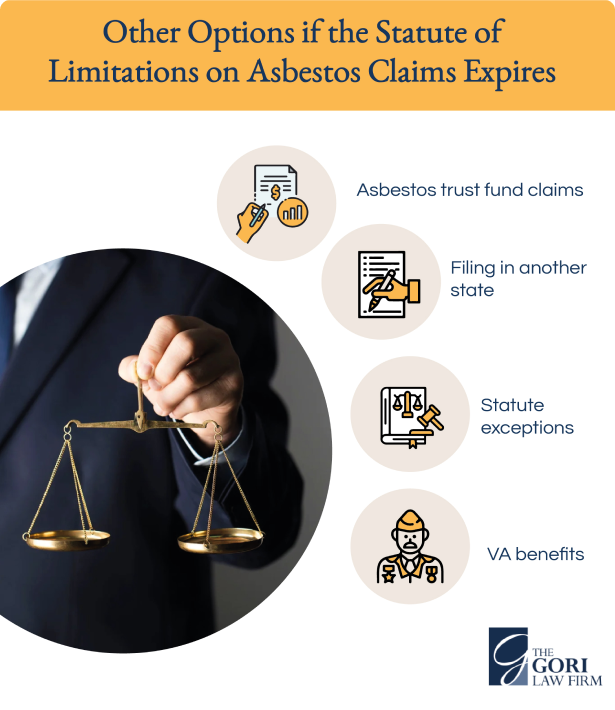
Each situation requires individual review. If the statute of limitations in one state has expired, there may still be an opportunity to file in another state. A skilled mesothelioma attorney can assess whether an extension applies or if the claim qualifies for another form of compensation, such as asbestos trust funds or Veterans Affairs benefits, including disability and health insurance.
Fast, informed action gives you the best chance for success.
Common Questions About the Statute of Limitations on Mesothelioma Claims
What Is a Statute of Limitations?
A statute of limitations is a law that sets the deadline for filing a lawsuit. Once that deadline passes, the right to file usually ends.
When Does the Statute of Limitations Start on an Asbestos Case?
In most cases, the clock starts when a person receives a mesothelioma diagnosis or when a family member passes away from the disease. This timing accounts for how long asbestos-related illnesses can take to appear.
Can I File a Claim in Another State if the Statute of Limitations Has Expired?
Possibly. People exposed in one state and diagnosed in another may still have options available to them. A mesothelioma attorney can review exposure records and determine if another jurisdiction offers a valid timeframe to file.
Our Mesothelioma Lawyers Can Help File Your Claim on Time
Mesothelioma is an aggressive disease, and taking timely legal action to seek compensation is essential. Though the filing deadline varies by state and, in many cases, can be quite generous, failure to file before the correct deadline passes will likely eliminate your right to pursue compensation in court.
At The Gori Law Firm, our practice focuses heavily on mesothelioma litigation and obtaining justice for those affected by asbestos-related diseases. We urge anyone battling mesothelioma or another asbestos-related disease to pursue legal compensation. Do not assume you have missed the filing deadline before consulting with an experienced mesothelioma attorney.
If you or a loved one is suffering from mesothelioma, call us today at (618) 659-9833 to schedule your free consultation to learn how we can help you seek the full and fair compensation you deserve.